

Best Cold Plunge Tubs for Everyday Use
🏆 Top Picks at a Glance
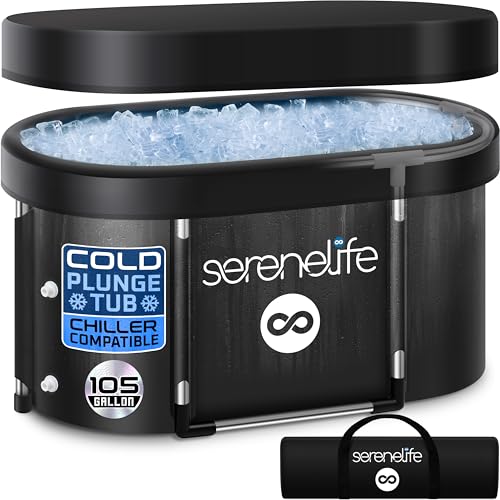 #1
#1
Best Overall
SereneLife 105 Gallon Insulated Oval Ice Bath Tub for Athletes, One Person Cold Plunge Therapy Recovery Pod for Recovery, Multi Layered with Aluminum Frame, Portable for Indoor Outdoor, Home, Gym Use
$79.99
Check Price → #2
#2
Runner Up
The Pod Company Ice Pod Pro Cold Plunge Tub + 1/3 HP Water Chiller Bundle, 110 Gal Insulated Ice Bath, 41°F Cooling System, Ice-Free Cold Therapy, Full Setup Kit
$625.68
Check Price → #3
#3
Best Value
SOLSTICE Original Inflatable Cold Plunge Ice Bath Tub | Standing Recovery Barrel Pod W/Steps & Lid | Water Chillers & Ozone Filters Compatible Outdoor Indoor | Inlet Outlet for Accessories 100 Gallon
$549.99
Check Price →Our Top Picks
Affiliate disclosure: if you buy through these links, we may earn a commission at no extra cost to you.


Factors to Consider
Temperature retention and insulation
⚡ Quick Answer
You want a tub that doesn’t melt all your ice the moment you refill. Look for double-wall construction, solid seals, and foam or polyurethane insulation so the water stays in range during your session. In cold-therapy research, practitioners typically target about 10-15°C (50-59°F) for 5-15 minutes; if your tub can’t hold that range, you’ll drift out of the proven window. A built-in circulation pump or a well-designed lid helps the water move and stay evenly cold, reducing hot spots that tempt you to cut sessions short.
Table of Contents
Setup, portability, and ease of use
Ease of setup matters because you’ll actually use it. Check the weight when empty, how you fill and drain, and whether the unit includes a pump, filtration, or a drainage hose—these details cut setup time from minutes to seconds. If you’re in a tight space or move often, prioritize portability, quick-drain capabilities, and a compact footprint. Skip gimmicks like self-heating lids or flashy extras that don’t help you hit target temps or stay clean over time.
Durability and materials
Most rugged options use rotomolded polyethylene or reinforced plastics; metal frames can corrode and warp with moisture and temperature swings. Look for UV resistance if you’ll leave it in sun, and check the warranty length and support reputation so you’re not left hanging if a seam fails. Consider how easy the tub is to clean and drain, because a sturdy shell won’t save you if algae and slime become your daily routine.
Features versus gimmicks: what actually matters
Digital temperature displays should be accurate and easy to calibrate; many cheap units drift by several degrees. Don’t pay extra for color-changing lights, Bluetooth speakers, or “instant cold” claims if they don’t help you maintain the right temperature or hygiene. If recovery is your goal, prioritize reliable temperature control, optional timers, and simple maintenance over marketing fluff, and verify warranty and service availability before you buy.
Frequently Asked Questions
What temperature should I target for a cold plunge, and how long should I stay in?
Most studies on cold-water immersion use about 10-15°C (50-59°F) for 5-15 minutes. If you’re new to this, start warmer (around 12-14°C) for 2-4 minutes and build up gradually as your tolerance and recovery needs grow.
Is an ice bath as effective as a dedicated cold plunge with a chiller?
Effectiveness comes from maintaining a consistent temperature. Research suggests more reliable recovery benefits when you can hold a target range rather than chase temps with ice, so a chiller or circulating system can outperform ice-only setups for consistency.
Can portable tubs provide the same recovery benefits as built-in models?
Yes, as long as you can maintain the target temperature and maintain good water hygiene. The shell material and fixed location don’t determine efficacy as much as temperature stability, session length, and clean water do.
How do I clean a cold plunge tub to prevent biofilm and odor?
Drain after use, rinse thoroughly, and scrub with a non-abrasive cleaner. Sanitize periodically according to manufacturer guidelines and replace water on a regular schedule to minimize microbial growth and skin irritation.
Do I need a heater or a chiller for cold plunges?
A chiller or precise temperature control helps you keep a steady temp year-round, especially in warm climates. Using ice alone is workable but requires constant replenishment and monitoring to avoid drifting above your target range.
Who should avoid cold plunges, and when should I consult a professional?
If you have unmanaged cardiovascular issues, severe hypertension, pregnancy, or cold-induced asthma, talk to a clinician before starting cold therapy. Start slowly and monitor how your body responds—any dizziness, numbness, or chest discomfort warrants stopping and seeking guidance.
How long will a tub last with daily use, and what should I look for in a warranty?
Quality rotomolded tubs can last for many years with proper cleaning and maintenance; a minimum 1-year warranty is common, with better models offering 2+ years and responsive customer service. Look for seams, UV resistance, and a clear maintenance guide—these details predict long-term reliability more than flashy features.
Conclusion
For everyday use, prioritize a tub with solid insulation, durable shell, and dependable temperature control over gimmicks. Pair it with a routine of 10-15°C for 5-15 minutes, kept stable by good insulation and clean water, and you’ll get real recovery benefits without chasing endless ice. If you want consistency and less maintenance, lean toward a model with a built-in chiller and reliable warranty—your recovery routine will thank you.


