

How to Choose the Right Cold Plunge Tubs
⚡ Quick Answer
When your goal is real recovery and performance optimization, the equipment you choose matters. A cold plunge tub isn’t just about dropping your body into cold water—it's about build quality, temperature consistency, ease of use, and durability. Picking the wrong one can waste your time, money, and most importantly, your recovery potential.
This guide cuts through the gimmicks and gets straight to what works in the real world. Whether you’re a professional athlete, a coach, or serious about your recovery routine, understanding what separates a quality cold plunge from a cheap imitator is the key to making an informed decision.
Table of Contents
Our Top Picks in Detail
Affiliate disclosure: if you buy through these links, we may earn a commission at no extra cost to you.

SereneLife Inflatable Insulated Cold Plunge Tub - One Person Ice Bath Tub with Lid, Cold Plunge Therapy Recovery Pod for Athletes with 105 Gallons Capacity, 53.15 x 31.50”
$389.99Check Price →This is the pick to look at first if you want a reliable, well-rounded option that handles everyday use without unnecessary compromises. SereneLife Inflatable Insulated Cold Plunge Tub - One Person Ice Bath Tub with Lid, Cold Plunge Therapy Recovery Pod for Athletes with 105 Gallons Capacity, 53.15 x 31.50” delivers solid performance across the features that matter most in this category.

SereneLife Inflatable Cold Plunge Tub Ice Bath, 85 Gal One Person Ice Bath Tub with Lid, Drop Stitch PVC, Double Layer Seals, Heavy Duty Cold Plunge for Athletes
$292.47Check Price →If the top pick doesn't quite fit your situation, SereneLife Inflatable Cold Plunge Tub Ice Bath, 85 Gal One Person Ice Bath Tub with Lid, Drop Stitch PVC, Double Layer Seals, Heavy Duty Cold Plunge for Athletes is worth a close look as a capable alternative that still covers the essentials well.
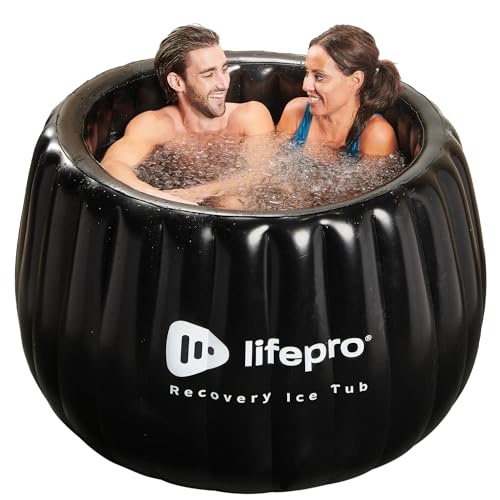
Lifepro 2-Person Portable Ice Bath Tub for Athletes XL - Self-Inflatable Ice Bath Tub for Adults- Foldable Ice Pod Cold Plunge Tub for Outdoor Ice Bath - Durable Ice Plunge Tub for Ice Baths at Home
$139.82Check Price →For buyers who want the most for their money without sacrificing the features that actually matter, Lifepro 2-Person Portable Ice Bath Tub for Athletes XL - Self-Inflatable Ice Bath Tub for Adults- Foldable Ice Pod Cold Plunge Tub for Outdoor Ice Bath - Durable Ice Plunge Tub for Ice Baths at Home is the practical choice at this price point.
Why Quality Matters in Cold Plunge Tubs
In real recovery scenarios, a reliable cold plunge is essential. Cheap tubs often offer inconsistent water temperatures, poor insulation, and materials that degrade quickly. This leads to frustration, inconsistent recovery results, and ultimately, less bang for your buck. High-quality tubs are built with performance and longevity in mind—they retain cold better, are easier to maintain, and withstand frequent use.
Think of it like this: you're investing in your recovery. The right tub needs to maintain the desired temperature without constant refilling or costly maintenance. Save yourself the headaches with proven build quality, robust insulation, and straightforward operation.
Types of Cold Plunge and Ice Baths
There are several common options: built-in plunge tubs, portable ice baths, and DIY setups. Built-in models are generally larger, more durable, and designed for consistent performance—ideal for gyms or clinics. Portable ice baths are smaller, cheaper, and easier to set up for personal use but often sacrifice insulation and build quality.
Be wary of gimmicks like insulated covers that offer minimal benefit, or tubs marketed solely on size or aesthetic features. Focus on how well the tub maintains temp, how sturdy it is, and how easy it is to fill, drain, and clean.
Build Quality & Materials
For longevity and performance, materials matter. Low-grade plastics or thin wall panels crack or warp under repeated cold stress. Look for tubs made from rotationally molded polyethylene or fiberglass with a solid, seamless construction. These are resistant to cracking, UV exposure, and prolonged water contact.
Exported-grade construction ensures you won’t be replacing your tub in a year or fighting leaks during your recovery sessions. Also, check the fittings, drain systems, and overall structural integrity—these details save maintenance headaches later.
Temperature Control & Retention
Temperature consistency is everything in cold therapy. The best tubs keep water within 1-2°F of your target temperature for hours without needing constant refilling. Insulation quality and tank material determine this. Foam insulation or foam-lined shells outperform thin-walled tubs when it comes to retention.
Manual ice addition should be straightforward; some high-end models include integrated chillers, but these come at a premium and often add complexity. For most serious users, choosing a well-insulated tub and supplementing with ice works best.
Ease of Setup & Durability
Too many tubs boast of portability but fall apart when used regularly. Reliable tubs are straightforward to fill, drain, and sanitize—prefer models with quick-drain fittings and accessible water hookups. Heavy-duty handles and sturdy base supports are essential for frequent transport or setup in dynamic environments.
If you’re investing in a portable or semi-permanent setup, durability shouldn’t be an afterthought. Cheaper models often use brittle plastics or weak welds that crack under cold stress. Prioritize build with reinforced seams and UV-resistant finishes.
Matching the Tub to Your Specific Use Case
Your choice depends on how you plan to use the tub. Professional settings demand commercial-grade durability and precise temp control—think larger shells, robust insulation, and quality components. Home users can get away with smaller, portable models—just ensure they insulate well and support your desired temperature range.
If you're combining cold plunges with other recovery tools like sauna blankets or infrared saunas, consider how your equipment integrates. For example, if your focus is contrast therapy, quick transition between hot and cold (like sauna to ice plunge) is key. In that case, look for tubs that warm quickly or can be filled with pre-chilled water for faster setup.
Frequently Asked Questions
How cold should my ice bath be?
Target 49–55°F (10–13°C). Anything warmer reduces recovery benefits, colder risks hypothermia. Use a reliable thermometer to monitor temp constantly.
How long should I stay in a cold plunge?
Start with 5-10 minutes, listen to your body. Experienced users often go up to 15 minutes, but always prioritize safety over duration.
Are portable ice baths as effective as built-in plunge tubs?
Effective if properly insulated and maintained. They usually require more ice upfront but are great for flexible setups. Durability and insulation quality are key factors.
What maintenance is required?
Regular cleaning with mild disinfectants, draining after use, and checking fittings. Insulated tubs resist algae and mold better, reducing maintenance time.
Can I combine cold therapy with heat?
Yes, contrast therapy is effective. Use a sauna blanket or infrared sauna before cold plunge for enhanced recovery. Just ensure your tub can support quick temperature changes if necessary.
Is a chiller worth the investment?
For frequent use or professional settings, yes. A chiller offers precise temperature control and consistent water temps without relying solely on ice, saving time and money long-term.
Choosing the right cold plunge involves weighing durability, insulation, ease of use, and your specific recovery goals. Don’t get caught up in gimmicks—rely on solid build quality and proven performance. Your recovery depends on it. Take the next step: evaluate your budget and space, then prioritize tubs with high-quality materials and dedicated insulation for lasting results.


