

How to Prep Cold Baths
Temperature control isn’t flashy, it’s functional. You want your water to stay within target range during a session and between uses, so insulation and a tight lid matter. Look for insulated walls, multi-layer shells, and sealed drains to minimize heat gain and ice melt. In practice, a well‑insulated tub can hold the target temp within roughly ±1-2°C for a 10–15 minute window, versus a poorly insulated unit that drifts faster and costs more to run. Skip gimmicks like “phase-change” inserts unless independent tests show real, repeatable benefits in your typical session.
Table of Contents
Our Top Picks
Affiliate disclosure: if you buy through these links, we may earn a commission at no extra cost to you.


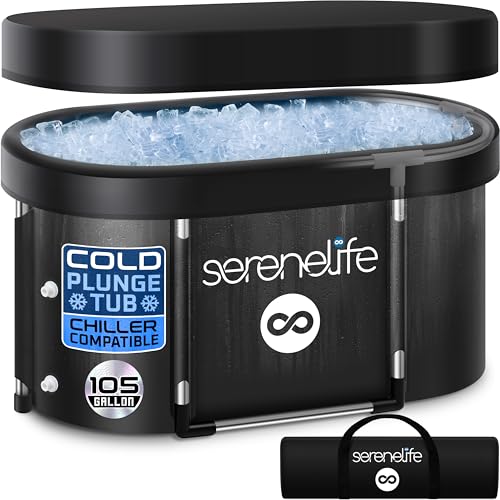
Factors to Consider
Temperature retention and insulation
Build quality and materials
You’re buying gear to withstand repeated cold exposure, not a disposable tub. Favor rotomolded or reinforced plastic shells with seamless joints, UV‑resistant finishes, and corrosion‑proof hardware. A proper frame—stainless steel or powder-coated metal—outlasts cheap alloy hardware and resists rust in damp environments. If the specs dodge material details or show vague claims, treat it as a red flag and move on.
Setup, portability, and drainage
Set‑up should be straightforward, not a weekend project. Check for a simple, gravity-based drain or quick‑connect hose, and consider wheels or a low-profile design if you’ll move the unit often. Know the empty and full weight so you can plan space and access; many 60–120 liter tubs become 50–100 kg when full, which isn’t one‑hand friendly. A snug lid helps minimize heat gain and keeps debris out between sessions.
Temperature control tech and safety features
Decide whether you want ice-only, a built‑in chiller, or a hybrid approach. Ice is cheap upfront but can be inconsistent; a chiller gives steady temps but costs more and adds electrical load. Look for a thermostat with ±1–2°C accuracy and a local readout; avoid models that rely solely on an external display. Prioritize non‑slip surfaces, a secure lid, and automatic shutoff if water level or temperature goes out of range. If a unit adds bells and whistles (LEDs, app control) without improving control, you’re paying for gimmicks.
Maintenance, cleaning, and warranty
Regular cleaning is non‑negotiable to prevent biofilms in a cold bath setup. Choose a tub with an accessible drain, simple hoses, and a straightforward sanitizer routine (mild dilute cleaners are fine). Worthwhile warranties (2–3 years for shell and components) and solid customer support save you headaches when a seal or heater acts up. Be wary of models that require proprietary cleaners or frequent part replacements; that’s a cost of ownership you don’t need.
Frequently Asked Questions
What temperature should I start with for a cold plunge?
Research in sports science often uses 10–15°C (50–59°F) for recovery, with session lengths around 8–15 minutes. For beginners, start toward the warmer end (around 12–15°C) for 5–7 minutes and work down gradually as you acclimate. Your bodies’ signals matter more than a stopwatch—shorter, controlled exposures beat long, miserable plunges.
Do I need a built‑in chiller or can I use ice?
Both work. A built‑in chiller gives precise, stable temps with less ice, but adds upfront cost and maintenance. Ice is cheaper and simpler to source if you already run an ice habit or gym setup, but you’ll deal with ice management and temperature drift if the ice isn’t replenished regularly.
How long should I stay in the bath?
For beginners, start with 2–4 minutes and focus on controlled breathing and form. For trained athletes, 5–10 minutes is common, though some protocols push to 12–15 minutes under supervision. Going longer than about 15 minutes increases risk of overcooling and should be avoided until you’re well acclimated.
What materials are best for durability?
Durable builds use rotomolded shells or reinforced plastics with welded seams and corrosion‑resistant hardware. Stainless steel frames and powder-coated components resist rust, while rugged, seamless shells resist cracking. If a product relies on thin plastic or exposed metal that can rust, it’s a warning sign.
How easy is it to set up and drain?
Look for a quick‑connect drain, a simple cap, and ideally a gravity drain that empties completely. Some tubs offer wheels or foldable stands to move the unit, which helps if you’re storing it between sessions. A straightforward setup reduces frustration and keeps you consistent with your recovery routine.
Are cold plunge tubs safe for beginners or with cardiovascular conditions?
Cold exposure provokes measurable shifts in heart rate and blood pressure; if you have cardiovascular issues, consult a clinician before starting. Start slowly, don’t rush into very cold temps, and monitor how you feel during and after each session. Stop immediately if you experience dizziness, chest pain, or severe shortness of breath.
What about warranty and support?
Prefer brands offering at least a 2-year shell warranty and accessible parts support. Proactive service and clear return policies save you trouble when a heater, chiller, or seal acts up. If a seller can’t provide parts or timely support for your model, that’s a red flag you should not overlook.
Conclusion
Choose a cold bath setup that balances reliable temperature control, rugged build quality, and simple maintenance. In practice, you’ll recover faster, train more consistently, and waste less money on gimmicks—make the durable choice and you’ll thank yourself after every session.


