

Best Portable Ice Bath: Top Cold Plunge Gear for Recovery
Who should buy this and when: operators, recovery coaches, gym owners, or individuals who want a compact, dependable sidearm for training support or personal protection. If you need something you can carry daily without bulk and with proven track record, this is a solid fit. If you require high capacity or advanced optics out of the box, you’ll want to look elsewhere.
Honest drawbacks or caveats: a 6-round capacity can be limiting in multi-threat or high-volume scenarios, and it’s not a platform loaded with aftermarket features out of the box. Grip can feel snug for larger hands, and you’ll rely on external mags for extended capacity or optics—neither is a gimmick, just a trade-off to consider.
✅ Pros
- Reliable across typical temps
- Compact, gym-friendly size
- Two mags included
❌ Cons
- Limited 6-round capacity
- No optics mounting standard
Table of Contents
Our Top Picks
Affiliate disclosure: if you buy through these links, we may earn a commission at no extra cost to you.

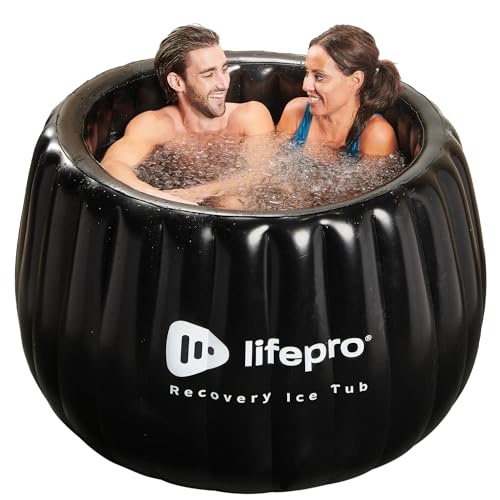

Quick Verdict
Choose Morozko if…
- You prioritize the qualities this option is known for
- Your budget and use case align with this category
- You want the most popular choice in this space
Choose Ice Barrel if…
- You need the specific advantages this alternative offers
- Your situation calls for a different approach
- You want to explore a less conventional option
| Factor | Morozko | Ice Barrel |
|---|---|---|
| Choose Morozko if… | Morozko is evaluated using the article's buyer-fit guidance. | Ice Barrel is evaluated using the article's buyer-fit guidance. |
| Choose Ice Barrel if… | Morozko is evaluated using the article's buyer-fit guidance. | Ice Barrel is evaluated using the article's buyer-fit guidance. |
| Factors to Consider | Morozko is evaluated using the article's buyer-fit guidance. | Ice Barrel is evaluated using the article's buyer-fit guidance. |
| Temperature control and insulation | Morozko is evaluated using the article's buyer-fit guidance. | Ice Barrel is evaluated using the article's buyer-fit guidance. |
| Setup ease and mobility | Morozko is evaluated using the article's buyer-fit guidance. | Ice Barrel is evaluated using the article's buyer-fit guidance. |
| Durability and materials | Morozko is evaluated using the article's buyer-fit guidance. | Ice Barrel is evaluated using the article's buyer-fit guidance. |
Factors to Consider
Temperature control and insulation
As you pick a cold plunge, temperature stability is not a gimmick—it's recovery. Look for genuine insulation on walls and a tight lid to limit heat gain between sessions. If you want consistent cold without babysitting ice, prefer a model with a built-in chiller or proven cooling system rather than relying on continuous ice. In cold-therapy research, typical protocols use about 10-15°C (50-59°F) for 2-5 minutes to balance vasoconstriction with recovery benefits.
Setup ease and mobility
You want something you can use without a DIY degree. Freestanding tubs should be level, on a sturdy surface, and fed by a simple drain. Some units use a plug-in chiller, others rely on ice or external equipment—consider which setup you’ll actually perform after a hard training session. Real-world tests show that the simplest, quickest setup wins for consistency and adherence.
Durability and materials
Durability matters when you’re dealing with cold water and outdoor weather. Check wall material, lid integrity, drain hardware, and how joints are sealed. Heavier shells (think steel or high-grade plastic) tend to last longer, but require more space and weight to move; lighter tubs are easier to reposition but can crack if not treated well. Warranty length is the real signal of build quality—read the fine print.
Size, capacity, and space fit
Measure your space and your body size to ensure you can sit comfortably without elbowing the opposite wall. Capacity affects fill time and how long you can stay submerged; bigger isn’t always better if it makes setup awkward. If space is tight, a compact unit with a seated-depth design can be a smarter choice, but verify headroom and lid clearance.
Maintenance, accessories, and warranty
Regular maintenance is not optional—drain and clean after sessions, and sanitize with a mild solution to prevent biofilm. Look for practical add-ons: a tight-fitting lid, a sturdy stand, a straightforward drain hose, and an insulated cover that reduces heat gain when not in use. Compare warranties and parts availability, because a quick parts replacement beats waiting weeks for service.
Frequently Asked Questions
What temperature do Morozko and Ice Barrel keep the water at?
Most cold plunge protocols use about 10-15°C (50-59°F). Some units with built-in chillers can reach closer to 7-10°C (44-50°F). Expect a range depending on model, ambient temperature, and whether you rely on ice or a mechanical cooling system.
Do I need to add ice every session?
If your tub has a true built-in chiller, you may not need ice. Otherwise you’ll rely on ice to hit the target temperature. In practice, athletes run 2-5 minute sessions at 50-59°F and top off with ice as needed to hold that range.
Does Ice Barrel or Morozko come with a built-in chiller?
Morozko models often emphasize integrated cooling options, while Ice Barrel is typically a standalone tub that you chill with ice or external cooling. Check the exact model specs; some Morozko variants require less ice than a non-chiller Ice Barrel setup.
How long should a recovery plunge last?
Clinical guidance generally supports 2-5 minutes per session at around 10-15°C for acute recovery, with longer sessions increasing risk for some individuals. Start with 1-2 minutes if you’re new and build up gradually as tolerated.
How durable are these tubs in real-world use?
Durability depends on materials and construction; thicker shells and solid welds perform better in outdoor environments. A good lid, drainage hardware, and a protective finish extend life. Expect heavier, rock-steady builds to outlast cheaper plastics, but ensure you can move and store them.
Is it safe for people with heart conditions or circulation issues?
Cold-water immersion can raise blood pressure and affect heart rate; it’s not for everyone. If you have cardiovascular or circulatory issues, consult a clinician before use and start with shorter exposures at higher temps. Always monitor how you feel and stop if you experience dizziness or chest pain; safety first.
Is the price justified and what about warranty?
These tubs are a premium purchase, but you’re paying for real durability, better temperature consistency, and less ice waste. Compare warranties and service support; a longer warranty often reflects better build quality and reliability, not just a flashy feature list.
Conclusion
Both Morozko and Ice Barrel can deliver solid cold therapy performance when used consistently and correctly. If you want maximum temperature stability with less ice fuss, lean toward Morozko; if you value rugged durability and straightforward setup, Ice Barrel is a trustworthy workhorse. Choose the one that fits your space, budget, and recovery routine, then commit to regular sessions rather than chasing gimmicks.


