

Best Ice Bath Tubs for Everyday Use
🏆 Top Picks at a Glance
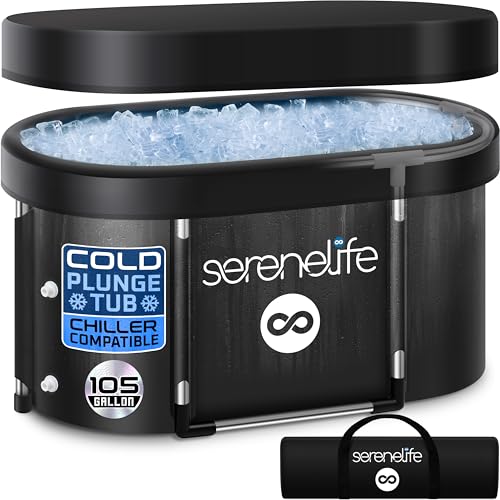 #1
#1
Best Overall
SereneLife 105 Gallon Insulated Oval Ice Bath Tub for Athletes, One Person Cold Plunge Therapy Recovery Pod for Recovery, Multi Layered with Aluminum Frame, Portable for Indoor Outdoor, Home, Gym Use
$79.99
Check Price → #2
#2
Runner Up
LifePro NordPod Plus Recovery Ice Tub – Portable Cold Plunge Tub with Drop-Stitch Construction – Ice Bath Tub for Athletes – Cold Water Therapy Tub for Ice Bath Recovery with Inflatable Lid & Air Pump
$399.99
Check Price → #3
#3
Best Value
SereneLife Inflatable Insulated Cold Plunge Tub - One Person Ice Bath Tub with Lid, Cold Plunge Therapy Recovery Pod for Athletes with 105 Gallons Capacity, 53.15 x 31.50”
$349.04
Check Price →Our Top Picks
Affiliate disclosure: if you buy through these links, we may earn a commission at no extra cost to you.


Factors to Consider
Insulation and temperature retention
⚡ Quick Answer
Insulation is your biggest lever for keeping ice costs down and temps stable. Look for double-wall construction, thick rotomolded walls, and a tight-fitting lid. Without solid insulation, ambient heat will melt ice quickly, forcing you to refill or chase target temps. A well-insulated tub should hold water within a small temperature drift during a session, letting you rack multiple cold sessions in a day without re-icing constantly.
Table of Contents
Temperature control options and speed to target temp
Some tubs are simply ice-and-water with no control; others pair with external chillers or built-in heaters. If you value consistency, choose a unit with adjustable temperature control or an external chiller that can hit 10-15°C reliably. Built-in heaters can bring water to a set temp for contrast therapy, but they add cost and power draw. Consider how quickly you want to reach your target temp and whether you need to rebalance after a session ends.
Durability and materials
Durability matters because you’re likely to leave this tub in a gym corner or outdoors. Look for rotomolded plastic or stainless steel shells that resist cracking, UV exposure, and chemical cleaners. Check for anti-slip bottoms, reinforced drain fittings, and stainless hardware. In real-world use, a well-built tub survives frequent setup and breakdown without coating or seam failures.
Ease of setup and portability
Ease of setup matters because you won’t use a tub if it takes an hour to prepare. Rotomolded tubs are lighter than steel but still sturdy, and many models offer simple plug-and-fill operation with quick drains. Look for integral handles, wheels, or a collapsible design if you move it between spaces. Make sure the lid seals well to minimize heat gain and keep kids or pets out when not in use.
Maintenance, sanitation, and safety features
Sanitation is not optional; you’ll be mixing water, chlorine, or other sanitizers, so pick a tub with a smooth interior and easy-clean surfaces. Check whether the drain valve is leak-free and compatible with your hose setup, and whether the tub’s materials tolerate common sanitizers without degrading. Schedule regular cleaning and consider a method that avoids standing water in hoses or pumps to prevent biofilm. Finally, safety features matter—non-slip surfaces, a secure lid, and stable entry/exit prevent accidents when you’re cold and distracted.
Frequently Asked Questions
What is the ideal temperature and duration for an ice bath?
Goal temperature is typically 10-15°C (50-59°F) with sessions lasting about 6-12 minutes. If you’re new to cold water, start at 3-5 minutes and build up gradually. Research shows this range can reduce muscle soreness and aid recovery within 24-48 hours, but responses vary by person and exercise type.
How much ice do I need for my tub to reach that temperature?
Ice requirements depend on tub size, starting water temp, and ambient conditions. For a typical 80–120 liter tub, expect roughly 5–15 kg of ice to reach 10–15°C, with more ice needed in warmer rooms or larger volumes. Plan to adjust in real time; you’ll learn after a few fills how fast you can re-chill.
Can I use an ice bath indoors, and what safety steps should I take?
Indoors is fine if you’ve got non-slip flooring, proper drainage, and good ventilation. Keep the lid closed when not in use to reduce heat gain and limit condensation; ensure the room temperature isn’t dangerously high when a large amount of ice is melting. If you have kids or pets, set up a secure perimeter to prevent accidental slips during cooling down.
How do I clean and maintain a cold plunge tub?
Rinse after every session to remove salt, chlorine, and skin oils, then perform a weekly clean with mild soap and warm water. If you use sanitizers, follow the product guidelines and avoid mixing with ammonia cleaners. Drain and refill every 1–2 weeks for typical gym-home use, and inspect hoses and seals for wear.
Should I buy a tub with a built-in chiller or just use ice?
A built-in chiller gives precise temperature control and faster targets but adds upfront cost and potential maintenance. Ice-based setups are cheaper upfront and work anywhere, but require time to reach target temp and ice management. Research on cold-water immersion suggests there’s a practical range (about 10–15°C) for benefits, and colder isn’t always better for every session.
Is cold therapy safe for people with heart conditions or high blood pressure?
Cold exposure can raise heart rate and blood pressure, so you should consult a clinician before starting CWI if you have cardiovascular issues. Start with shorter sessions at the higher end of the recommended temperature range (toward 15°C) and monitor how you feel; stop if you experience dizziness or chest discomfort. This isn’t medical advice, but safety guidelines emphasize caution for at-risk individuals.
What size tub should I choose for solo use?
For solo use, aim for a tub in the 60–120 liter range with a comfortable seated depth; bigger isn’t always better if you can’t fill it with ice easily. Check the overall footprint and drainage to ensure it fits your space, and consider portability (handles or wheels) if you’ll move it frequently. In practice, you want a balance of capacity, ease of chilling, and stable entry/exit.
Conclusion
Bottom line: insulation, durability, and ease of maintenance win for everyday use. If you want precise temps and fast reach without babysitting ice, pick a tub with a built-in chiller; otherwise, a well-insulated tub will serve you reliably and cost-effectively.


