

How to Use Ice Baths
Target cold bath temps are typically around 10-15°C (50-59°F). Look for tubs that hold that range for your session length without relying on endless bags of ice. Good insulation matters: you want minimal temperature drift so you’re not chasing heat or ice mid-session. In practice, a well-insulated tub can keep the bath within roughly ±1-2°C for a 10-minute session after pre-chilling.
Table of Contents
Our Top Picks
Affiliate disclosure: if you buy through these links, we may earn a commission at no extra cost to you.


Factors to Consider
Temperature control and insulation
Build quality, materials, and durability
Durable shells (rotomolded plastic or thick polyethylene) and sturdy frames survive repeated cold plunges and occasional bumps. A solid tub should tolerate freezing/thaw cycles without cracking or warping and resist mold when stored dry. Avoid premium-looking acrylics or brittle joints if you train hard—durability beats aesthetics for recovery gear. Look for UV resistance and reinforced drain areas to stand up to regular use.
Ease of setup, drainage, and maintenance
Choose a model with a straightforward drain and a simple fill process so you can get into the cold quickly. A built-in pump or cleanable drain hose speeds up emptying and reduces water spillage during cleanup. Maintenance matters: clean after sessions, sanitize periodically, and dry the interior to prevent mold. If you’re using cold therapy several times a week, prioritize a unit that drains and stores without fuss.
Portability, size, and value for money
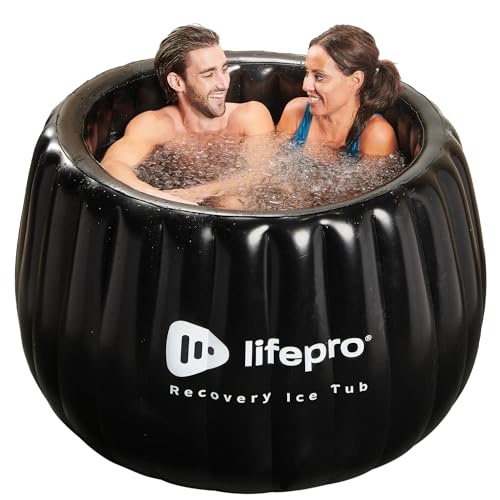
Portability matters if you train in multiple locations or travel; inflatable liners are light but don’t match the durability of rotomolded tubs. Check weight, handles, and the ease of store-and-go design; some options collapse for transport, others stay rigid. Be wary of gimmicks like built-in ice makers or flashy LEDs—true recovery value comes from consistent temperature control, not bells and whistles.
Frequently Asked Questions
What temperature should I aim for in an ice bath and how long should I stay in it?
A common protocol uses about 10-15°C (50-59°F) for 10-15 minutes after intense training. If you’re new, start with 5-7 minutes at the lower end to assess tolerance, then work up. Research in sports recovery frequently uses this range to balance recovery benefits with comfort and safety.
Are inflatable cold plunge tubs as durable as solid, rotomolded models?
Inflatable tubs are cheaper and portable, but they usually wear faster and may retain less consistent temperatures. For long-term durability and repeated cold plunges, a rotomolded or solid shell with robust joints lasts longer. If you travel, an inflatable can work, but expect more care and potential punctures.
How long does setup and cooling typically take?
Filling with tap water to target depth will usually take 5-15 minutes; chilling with ice or a chiller speeds this up. If you’re using ice, budget about 15-30 minutes to reach 10-15°C, depending on volume and ambient temperature. A unit with a built-in heater or chiller can reduce this to minutes but costs more and uses energy.
Do I need a dedicated chiller, or can I use ice alone?
Many athletes use ice to hit 10-15°C for recovery sessions; a chest-level chiller can maintain temp with less ice usage and more consistent timing. If you train indoors or on a tight schedule, a small inline chiller or tub with good insulation helps avoid temp drift between sessions. But for most casual users, ice alone is workable if you monitor temperature closely.
How should I clean and maintain my cold plunge tub?
Drain after use and rinse to remove residual oils and sweat. Wipe with a mild soap solution, then sanitize periodically with a diluted sanitizer or white vinegar, and dry completely to prevent mold. Replace water weekly or per manufacturer guidance, especially if you accumulate algae or odors.
Are there safety considerations with cold therapy?
Cold immersion can affect heart rate and blood pressure, so people with cardiovascular issues or pregnancy should consult a clinician before use. Stop if you feel numbness, pain, or dizziness, and avoid using after alcohol consumption or if you have a fever. If you’re mixing hot and cold (contrast therapy), evidence is mixed and ensure you have no contraindications.
What features matter most for real recovery results?
Focus on insulation, a reliable drain, a lid to minimize heat gain, and durable materials. Temperature stability and quick setup beat flashy gimmicks like LEDs or built-in ice makers. In practice, a sturdy tub with accurate temp control and simple maintenance delivers real recovery benefits without the fluff.
Conclusion
With the right tub, you’ll get reliable cold therapy without chasing gimmicks. Prioritize insulation, durability, and simple setup so you can recover faster after hard workouts and races.


