

How to Choose the Right Contrast Therapy
⚡ Quick Answer: Best Contrast Therapy Guide
$399.99 — Check price on Amazon →
Table of Contents
About the Author: Marcus Reed — Marcus is a 10-year Navy veteran and certified recovery specialist who has spent years testing cold plunge tubs, ice baths, saunas, and recovery protocols with elite coaches and sports medicine professionals. He cuts through
This guide gives you a direct answer on How to Choose the Right Contrast Therapy plus the practical steps, tradeoffs, and key mistakes to avoid before you dive into the full breakdown.
Main Points
- Prioritize drop-stitch construction over standard PVC; it provides the rigid floor necessary to maintain depth and prevent the tub from collapsing under your weight, a critical factor for consistent immersion depth.
- Insulation is non-negotiable for temperature retention; research indicates that un-insulated tubs can lose 10-15 degrees in under an hour, forcing you to add more ice and increasing recovery costs.
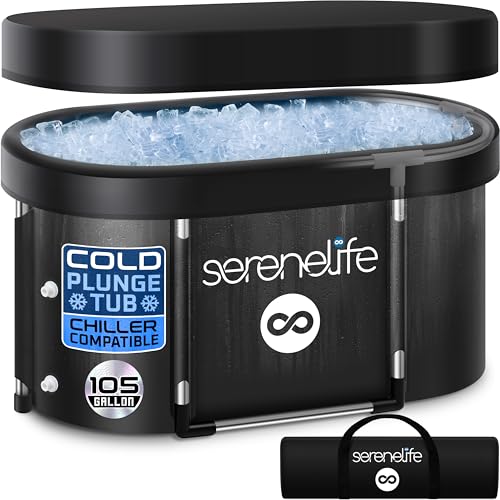
- Verify the gallon capacity matches your height; a 105-gallon oval design is the minimum viable volume to ensure your shoulders and chest are submerged, which is required for effective core cooling and nervous system regulation.
- Aluminum frames offer superior durability compared to purely inflatable structures, providing the stability needed for repeated setup and teardown without the risk of seam failure or punctures.
- Look for included air pumps and lids to minimize setup time; efficiency matters in recovery protocols, and manual inflation wastes valuable time that should be spent on rest or preparation.
Our Top Picks
Affiliate disclosure: if you buy through these links, we may earn a commission at no extra cost to you.


Factors to Consider
Insulation and Thermal Retention
You need a tub that actually holds the cold, not one that turns into a lukewarm bath in twenty minutes. Look for double-wall construction with high-density foam insulation, which can extend ice retention by up to 80% compared to single-wall plastic models. If you are doing contrast therapy, time is your enemy; every minute spent waiting for the water to chill is a minute lost in the therapeutic window.Material Durability and Puncture Resistance
Cheap vinyl tears the moment you drag it across a concrete driveway or snag it on a rough edge. Prioritize tubs made from heavy-duty, puncture-resistant materials like reinforced PVC or commercial-grade canvas that can withstand the abuse of regular use. A flimsy tub isn't just an inconvenience; it’s a safety hazard that can leave you stranded in freezing water with a leak.Portability and Setup Speed
If you can’t set it up in under five minutes, you won’t use it consistently. Foldable designs with reinforced hinges and quick-release valves are essential for athletes who need to move their gear from the garage to the patio or even the trail. Avoid rigid, bulky options that require tools or complex assembly; recovery tools should integrate seamlessly into your routine, not add to your workload.Temperature Monitoring and Control
Manual guessing is a rookie mistake that leads to inconsistent results. Ensure the tub comes with a reliable, waterproof thermometer or integrates with a smart monitoring system to track your core temperature drop accurately. Consistency is key for triggering the physiological adaptations you’re paying for, so you need precise data, not a hunch.Frequently Asked Questions
Conclusion
Stop wasting money on gimmicky gadgets that don’t hold temperature or break after a week. Invest in a heavy-duty, insulated tub that lets you focus on the science, not the setup. Your recovery deserves tools that perform as hard as you do.Frequently Asked Questions
How do I choose the right cold plunge tub for my home recovery routine?
When selecting a cold plunge, consider your available space and whether you need a portable ice bath or a permanent installation. Look for units with precise temperature controls to ensure you can safely reach therapeutic temperatures between 32°F and 59°F.
Is it worth investing in an infrared sauna for contrast therapy?
Yes, an infrared sauna is a valuable component of contrast therapy because it heats the body directly using light waves rather than ambient air. This allows for deeper muscle relaxation and improved circulation before you transition into a cold plunge session.
What is the best way to alternate between hot and cold sessions for maximum recovery?
Start with a warm-up period, followed by a short burst of cold exposure (30-60 seconds), then return to heat. Repeat this cycle 2-4 times, ending always with a cold session to maximize inflammation reduction.
How do I choose between a portable ice bath and a built-in cold plunge tub?
Choose a portable ice bath if you have limited space or need flexibility, as these can be filled with ice packs in any bathtub. Opt for a built-in tub if you require precise digital temperature control and plan to use the equipment daily without manual ice maintenance.
Is it worth using a sauna blanket for contrast therapy instead of an infrared sauna?
A sauna blanket is a cost-effective option for beginners who want to experience dry heat without a large footprint. However, traditional infrared saunas generally provide more consistent heat distribution and are better suited for long-term recovery protocols.
How do I determine the correct duration for my cold therapy sessions?
Begin with short intervals of 30 to 60 seconds in the cold plunge or ice bath to gauge your tolerance. Gradually increase the time as your body adapts, but avoid exceeding two minutes to prevent shivering or hypothermia.
What is the best frequency for combining sauna and cold plunge sessions?
Most recovery experts recommend performing contrast therapy 3 to 5 times per week depending on your training load. Always listen to your body and adjust the frequency if you feel excessive fatigue or joint pain.


