

Use Cold Plunge Tubs Post Workout
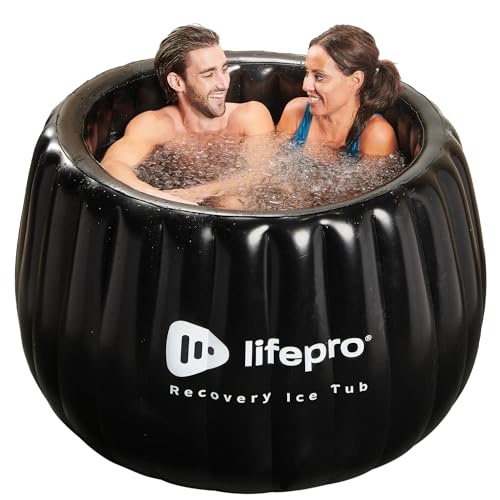
When you’re buying, insulation is king for keeping water cold without constant ice or a separate chiller. Look for double-wall construction, thick polyurethane foam, and a sealed lid; these features slow heat gain and loss so your target temp sticks longer between fills. In real-world terms, a well-insulated tub will hold a chosen temp longer than a budget model, reducing the ice you need and the energy you consume. If the spec sheet mentions an estimated temperature drift per hour, use it to compare; smaller drift means more consistent therapy sessions.
Table of Contents
Our Top Picks
Affiliate disclosure: if you buy through these links, we may earn a commission at no extra cost to you.


Factors to Consider
Insulation and Temperature Retention
Setup, Space, and Portability
You want something that goes from box to ready in under an hour, with simple assembly and straightforward drainage. Consider size and footprint, and whether it includes a raised frame or delivery cart to fit your workout area; portable tubs should fold or stack for storage. Look for quick-fill taps, gravity drain, and a minimal number of connections; the easier it is to set up, the more likely you’ll actually use it after a workout. Pricey features won’t help if you dread the setup.
Build Quality and Durability
You’re investing in materials that survive heat, cold, UV exposure, and rough handling; rotomolded plastic, stainless fittings, and robust seals matter. Check warranty length and whether the tub has reinforced seams or puncture-resistant liners; these details predict long-term durability. In real terms, a sturdy tub resists leaks and cracking, so you won’t be chasing repairs mid-recovery cycles. Avoid gimmicks like flimsy handles or exposed electrical components; they fail when you need them most.
Size, Capacity, and Maintenance
Decide how many people or what body area you plan to immerse; most single-person tubs are 80-120 gallons, enough for full-body dips. Check the drainage design, filter options, and ease of cleaning; a tub that’s easy to drain and sanitize saves you time after training. Look for a straightforward chemical-tolerance spec (if using additives) and a drain that won’t clog with hair or grit; maintenance should be minimal to stay aligned with recovery schedules. A larger tub isn’t always better if it’s hard to reach or slow to heat; match size to your space and routines.
Value, Warranties, and Avoiding Gimmicks
Price isn’t just upfront cost; factor in ice costs, energy use, and add-ons that actually improve your recovery, not just look cool. Favor tubs with clear temperature control specs, tested materials, and a solid warranty; that’s what survives tough workouts. Be wary of gimmicks like built-in massagers, LEDs, or claim-heavy tech that doesn’t meaningfully improve cooling or soak quality. It’s better to buy once with reliable support than chase the flashiest new model every season.
Frequently Asked Questions
What temperature should I set for a cold plunge after workouts?
Most recovery protocols target water in the 10-15°C (50-59°F) range for 10-15 minutes. If you’re new to cold exposure, start around 12°C for 8-10 minutes and adjust as you tolerate it. Research reviews show small-to-moderate reductions in post-exercise soreness when you stay in that temperature window, though results vary by study.
How long should I stay in the tub after workouts?
Common practice is 10-15 minutes per session. Some athletes start with 5-8 minutes at a mild temp and build up; beyond 15-20 minutes the incremental recovery benefits tend to plateau and may raise risk of discomfort. Studies indicate most benefits occur within the first 10 minutes of immersion, with diminishing returns after that.
Are portable ice baths as effective as fixed tubs?
Effectiveness largely depends on whether you can maintain target temperature and duration. When portable setups reach and hold 10-15°C for 10-15 minutes, soreness reductions in trials have been similar to fixed tubs. The main difference is temperature stability and durability, not the recovery mechanism.
What features matter most in a cold plunge tub?
Prioritize insulation, a tight-sealing lid, reliable drainage, and easy cleaning. Avoid gimmicks that don’t improve temperature control or recovery, such as built-in massagers or LEDs that don’t affect cooling. A solid warranty and durable materials are clues you’re buying for longevity, not style points.
Is cold immersion safe for beginners or people with heart conditions?
For healthy adults, short exposures in the 10-15°C range are generally considered safe when you stay within recommended times. People with cardiovascular issues should consult a clinician before starting cold therapy; cold exposure can acutely raise blood pressure and provoke arrhythmias in susceptible individuals. Always monitor how you feel and exit if you experience dizziness or chest pain.
How do I clean and maintain the tub between uses?
Drain and rinse after each session, then use a mild, non-abrasive cleaner and a soft brush to wipe down all surfaces. Regularly check seals and drainage for wear, and sanitize according to the cleaner’s instructions to prevent bacteria build-up. Keeping a simple maintenance routine reduces the risk of odors and mold, ensuring your recovery sessions stay effective.
Will a cold plunge improve my performance or training adaptations?
Recovery-focused immersion can reduce perceived soreness and may help you train more consistently, which supports better overall results. Research shows small-to-moderate reductions in soreness, but findings on acute performance gains are inconsistent—some studies show no clear advantage in strength or sprint tests immediately after treatment. Use cold immersion as a recovery tool, not a performance shortcut.
Conclusion
In sum, choose a tub that delivers solid temperature retention, straightforward setup, and durable build. For most athletes, a well-insulated, reliable cold plunge tub with a good lid and simple maintenance offers the best return on your recovery investment.


